


Real‑Time Monitoring and Analysis
Satellite technology enables continuous observation of crops and their environment, facilitating early anomaly detection and evaluation of water, nutritional, and sanitary status. With multispectral imaging, it is possible to identify stress areas, estimate biomass, and detect differences in vegetative density, thereby optimizing decision‑making.


Vegetation Index Maps
- We use indices like NDVI or EVI to quantify photosynthetic activity and detect variations in crop growth.
- These maps help locate critical areas, allowing for targeted interventions in fertilization or irrigation.
Phenology and Yield Monitoring
- Satellite remote sensing provides both historical and up‑to‑date information on crop evolution, supporting yield prediction and resource planning.
- Through interannual comparisons, agronomic strategies can be adjusted to mitigate risks.
Integration with Management Systems
- Satellite data is combined with field information (soil analyses, weather stations) to generate more precise management recommendations.
- This synergy reduces costs and improves application efficiency, promoting more profitable and sustainable agriculture.
iAgriculture
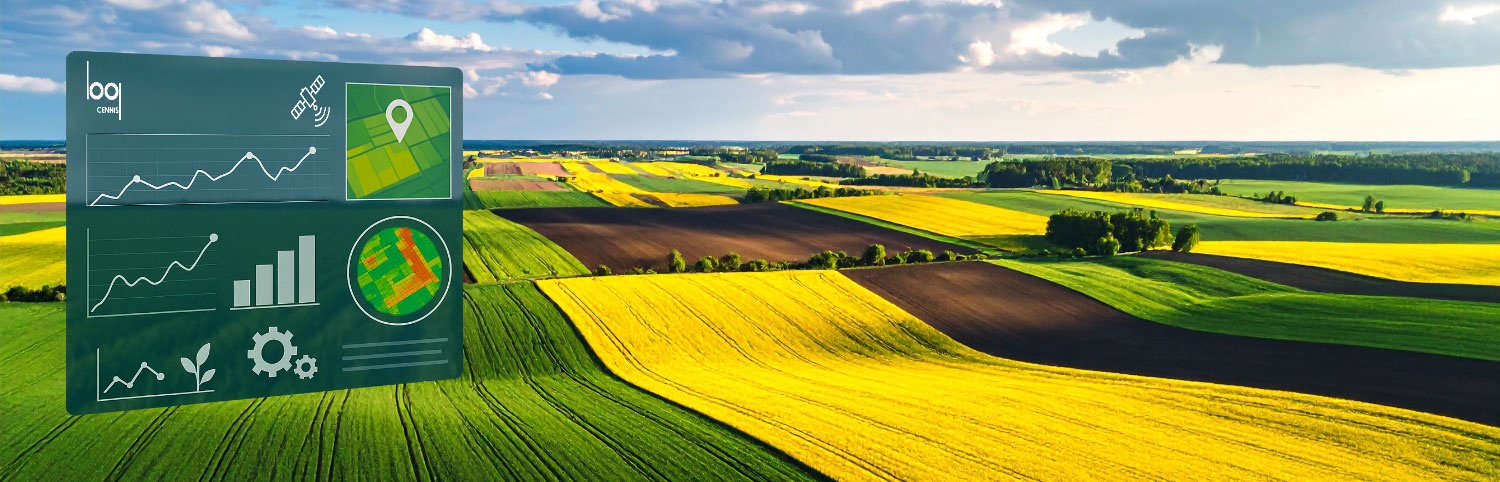

Digitization and Precision Agriculture
At BioGennis, our iAgriculture solution is based on integrating analysis and management platforms with traceability and transparency systems, allowing farmers to make data‑driven decisions and optimize crop performance.
Analysis and Management Platforms
We use Big Data and artificial intelligence to process information from sensors, drones, and satellite data. These platforms allow for:
- Real‑time diagnosis of each plot’s condition.
- Monitoring key variables such as moisture, temperature, and vegetative growth.
- Generating personalized recommendations to optimize irrigation, fertilization, and integrated pest management.
Traceability and Transparency
Our digital approach facilitates detailed recording of every production stage, ensuring:
- Full traceability of inputs and production.
- Transparency in agronomic management, improving trust between farmers, distributors, and consumers.
- Continuous monitoring that guarantees consistent crop performance over time.