


What is Slow Agriculture?
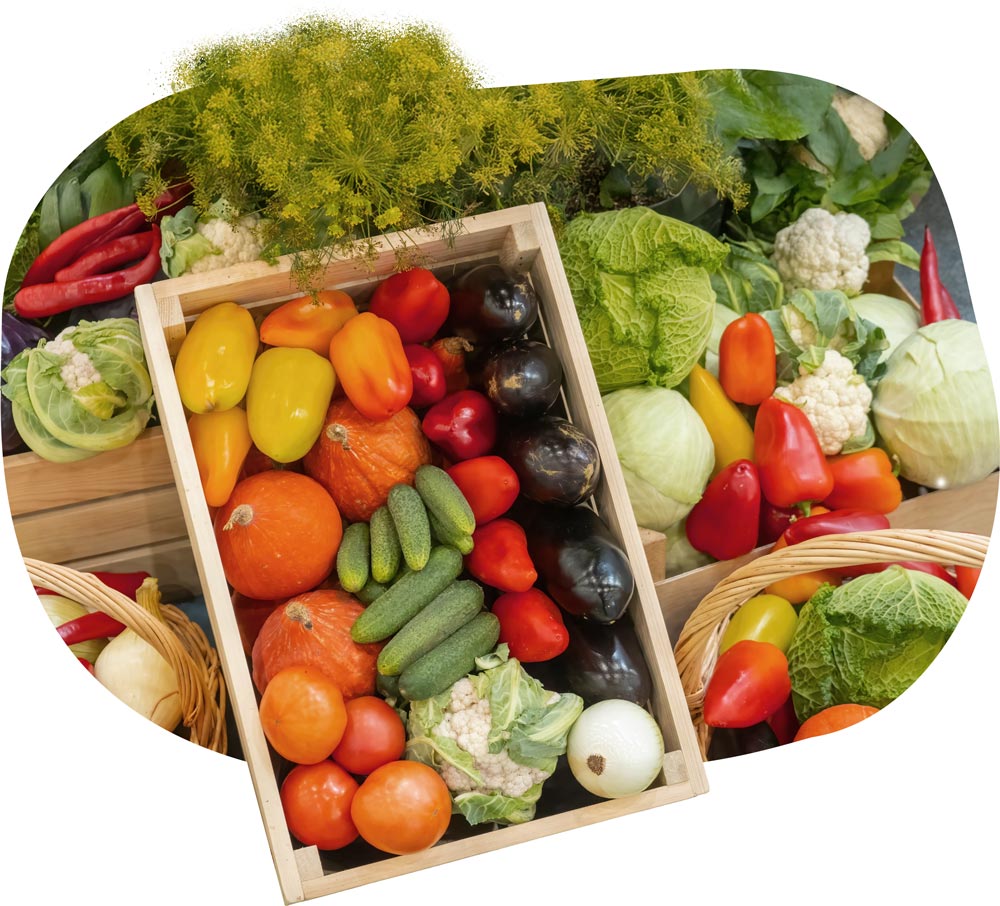
Sustainable and Regenerative Cultivation: Our Contribution to Agriculture in Harmony with Nature
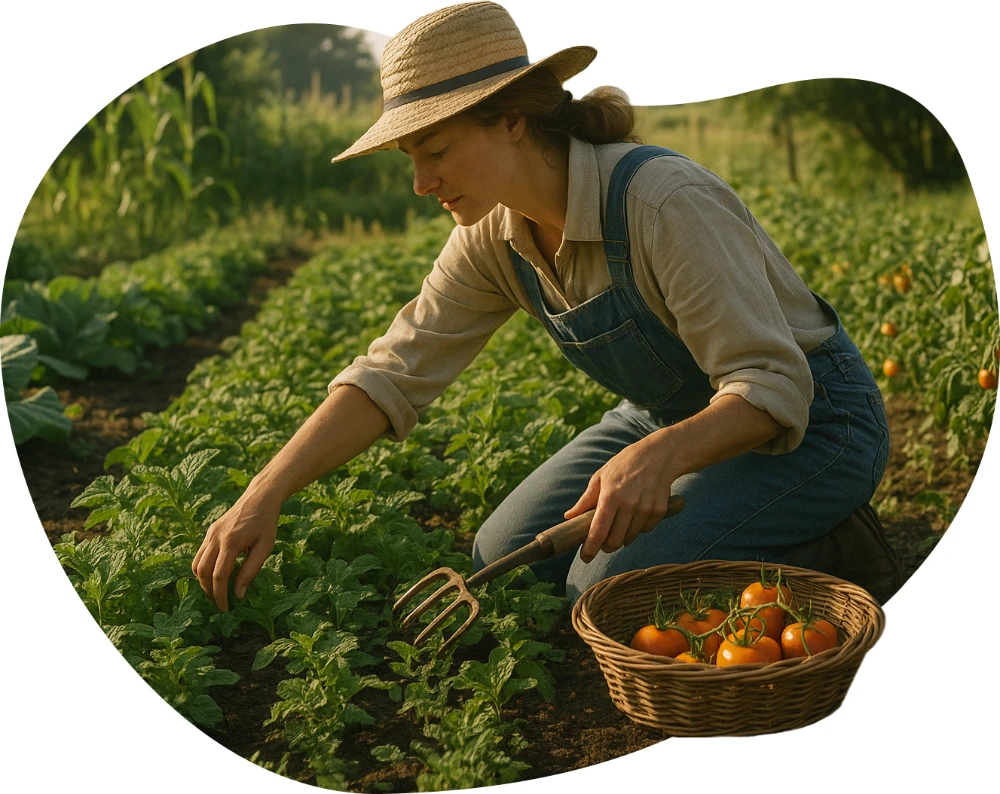
Slow Agriculture is a cultivation philosophy that respects the natural growth rhythms of plants and ecosystems. It is based on practices that favor soil regeneration, biodiversity preservation, and efficient resource use, as opposed to seeking rapid results through intensive methods. This approach promotes higher‑quality crops with better taste and nutritional values while reducing dependency on chemical inputs to ensure long‑term sustainable production.
Our Contribution to Slow Agriculture
At BioGennis, we strongly believe in agriculture that works in harmony with nature. Therefore, our solutions are designed to:
- Regenerate the Soil: Our products, such as Valkiria, LEONIDAS LQ, and LEONIDAS SD, provide organic matter and humic compounds that improve soil structure, water retention, and microbial activity.
- Foster Balanced Growth: With biostimulants and bionutrients, we help plants develop robust root systems and optimally utilize nutrients, reducing stress and enhancing crop quality.
- Optimize Resources: Our solutions allow for more efficient use of water and fertilizers, decreasing the need for additional inputs and reducing environmental impact.
- Adapt to Local Conditions: We work alongside farmers and technicians to customize our solutions, ensuring that each crop receives the appropriate treatment for its specific needs.
Our Commitment
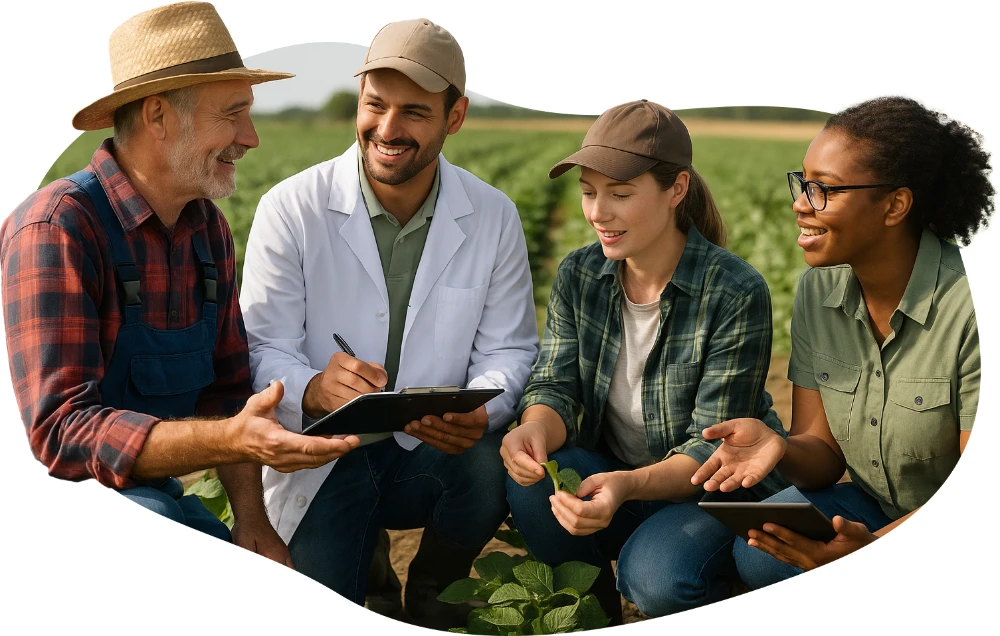
Our commitment is to drive sustainable and regenerative agriculture where innovation is paired with practices that preserve the natural balance of soil and ecosystems. At BioGennis, we collaborate with farmers, researchers, and distributors to ensure high‑quality solutions that not only optimize yields but also care for the environment, ensuring a green legacy for future generations.